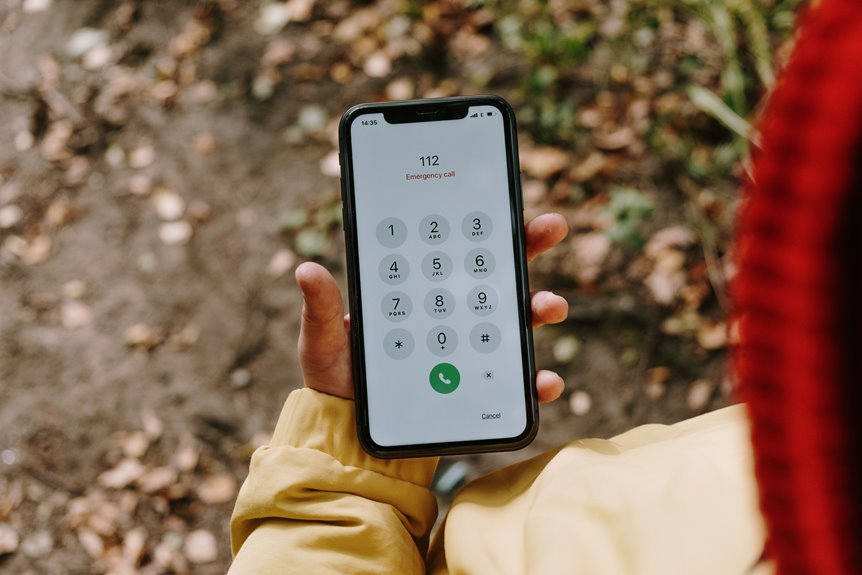
When 833-310-0296 raises concerns, a careful, methodical approach helps. Begin by verifying legitimacy through official channels, then fortify accounts with strong passwords and MFA. Employ practical call and message filtering to curb spoofing without cutting legitimate contact. Document every interaction, report suspicious activity promptly, and follow up with additional checks. This structured process reduces risk, and the next steps will outline concrete actions to implement without compromising accessibility.
Identify If 833-310-0296 Is Legitimate: Red Flags to Watch
Determining legitimacy hinges on spotting common red flags associated with 833-310-0296. The approach centers on identifying scams and verifying legitimacy through cautious evaluation. Indicators include unsolicited contact, pressure tactics, requests for personal data, and vague or evasive explanations. A cautious tone and independent verification with official channels support freedom from manipulation and empower prudent decision-making.
Tighten Your Accounts: Quick Security Wins to Block Spoofing
Organizations and individuals who have started verifying legitimacy of 833-310-0296 can now turn attention to strengthening account defenses.
Quick steps include enforcing strong passwords, enabling multi-factor authentication, and reviewing account recovery options.
Implement secure email practices and verify sender details before opening links.
Regularly audit connected apps, monitor for unusual activity, and tighten permissions to block spoofing threats and protect autonomy.
Stop the Nuisance: Practical Filtering and Blocking Tools
To curb unwanted calls and spoofed messages, practical filtering and blocking tools should be implemented as part of a layered defense. The approach emphasizes control, transparency, and ease of use, enabling users to tailor blocks while preserving accessibility. Key considerations include privacy pitfalls and robust caller authentication, ensuring legitimate communications remain uninterrupted while nuisance activity is substantially reduced.
Report, Respond, and Rebuild Confidence: How to Document and Prevent Future Contact
The section outlines a disciplined approach to documenting contact, guiding readers to report incidents accurately, respond promptly, and rebuild confidence over time. It emphasizes identifying spoofing, verifying callers, and maintaining records to support action. Steps include blocking spoofing, reporting scams, and following up with trusted channels. This method fosters informed decisions, reduces repeated contact, and restores personal and organizational freedom through clear accountability.
Frequently Asked Questions
Can 833-310-0296 Be a Legitimate Business Number?
Yes, 833-310-0296 can be legitimate numbers, but verification is essential; legitimate numbers require clear caller verification, transparent business identity, and compliant practices to avoid scams. Users should confirm the organization’s legitimacy before sharing sensitive information.
How Can I Verify Caller Identity Without Sharing Info?
To verify caller identity without sharing information, one can request verifiable details from the caller and use independent authentication methods; tools like caller verification services help verify caller and protect identity while safeguarding personal data.
What Steps Secure My Voicemail From Spoofed Calls?
Safeguard voicemail by enabling strong PINs and optional authentication, then enable caller verification features and regularly audit blocking rules. Two word discussion ideas: voicemail security, caller verification. This solution-focused, patient guidance supports freedom while addressing persistent spoofing concerns.
Do Carrier-Level Tools Block Spoofed Numbers Automatically?
Yes, carriers implement privacy measures and caller authentication to block spoofed numbers automatically, though results vary. These measures reduce exposure, encourage verification, and support proactive protection while maintaining user autonomy and the ability to opt into enhanced controls.
How Can I Report Scams to Authorities Efficiently?
A hypothetical consumer reports scams to authorities by filing a formal complaint and preserving evidence; this action prompts caller verification steps. The approach emphasizes: report scams promptly, provide logs, and request expedited investigations for faster, empowered resolution.
Conclusion
In the end, vigilance curbs risk as surely as a shield blocks arrows. By confirming legitimacy through trusted channels, tightening passwords, and enabling MFA, the threat source loses its leverage. Document every interaction, report suspicions promptly, and maintain updated recovery options. With practical filtering, suspicious calls are intercepted, and nuisance fades to a quiet background. The mind, once cautious, grows confident; clarity replaces confusion, and trust returns like dawn after a stubborn night.








